
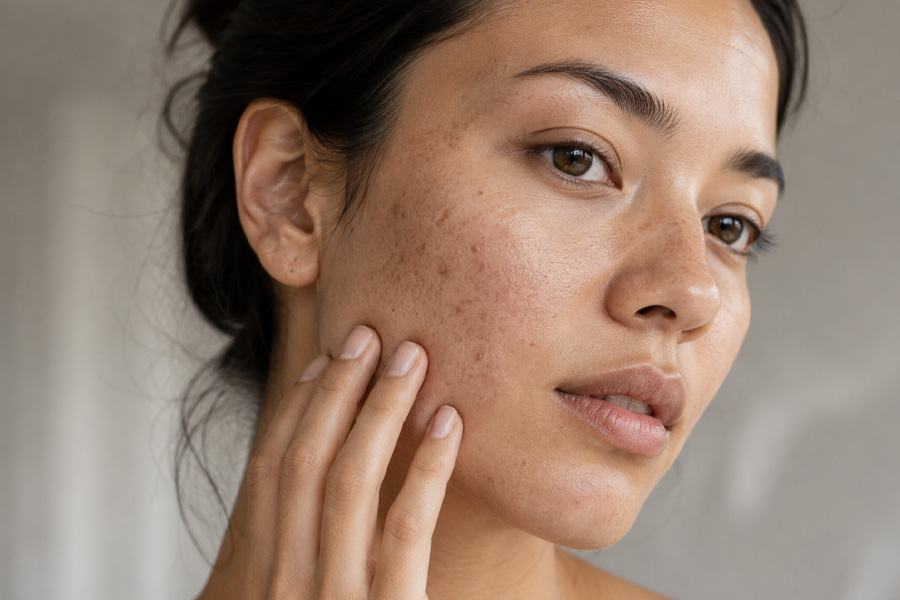
Hyperpigmentation is a common skin concern characterized by areas of the skin appearing darker than the surrounding tissue. These visible changes in skin tone can develop gradually over time or become more noticeable following certain skin-related events and environmental exposures. While hyperpigmentation is often harmless, many individuals seek to better understand why it occurs and what factors may contribute to uneven skin tone.
Because discoloration can vary significantly in appearance and underlying causes, there is no single explanation that applies to everyone. Factors such as sun exposure, previous inflammation, hormonal influences, and individual skin characteristics may all play a role in how hyperpigmentation develops.
Understanding what causes hyperpigmentation is an important first step when exploring available options and determining whether professional guidance may be appropriate. This guide discusses common contributors to uneven skin tone, factors that influence treatment recommendations, and how personalized evaluations support informed decision-making.
Understanding Hyperpigmentation
Hyperpigmentation refers to areas of the skin that appear darker than the surrounding skin due to increased pigment production. These changes in skin tone may develop gradually or become more noticeable over time, depending on the factors involved.
Hyperpigmentation can affect individuals of different ages and skin types, although the appearance and pattern of discoloration may vary from person to person. Some individuals may notice small, isolated dark spots, while others may experience more widespread areas of uneven skin tone.
Because not all forms of hyperpigmentation are the same, understanding the characteristics of the discoloration being addressed is an important part of determining appropriate next steps. Professional evaluation can help identify contributing factors and support individualized recommendations based on each person’s unique skin concerns and goals.
Common Contributors to Uneven Skin Tone
Hyperpigmentation can develop for a variety of reasons, and several factors may contribute to changes in skin tone over time. Because each individual’s skin responds differently, the underlying causes of discoloration are not always the same.
Some common contributors to hyperpigmentation may include:
- Sun exposure: Ultraviolet (UV) exposure can stimulate pigment production, which may contribute to the appearance of dark spots and uneven skin tone over time.
- Previous inflammation: Certain skin concerns, including inflammatory conditions or irritation, may be followed by areas of discoloration as the skin progresses through its natural healing process.
- Hormonal influences: Hormonal fluctuations can sometimes contribute to pigment-related skin changes in susceptible individuals.
- Skin injuries or irritation: Scratches, burns, aggressive skincare practices, or other forms of skin irritation may occasionally be associated with changes in pigmentation.
- Individual skin characteristics: Factors such as skin type and personal susceptibility may influence how hyperpigmentation develops and how noticeable it becomes.
Because multiple factors can contribute to uneven skin tone, identifying the potential causes of discoloration is an important part of determining appropriate next steps and exploring individualized treatment recommendations.
When Hyperpigmentation Becomes a Concern
While some forms of discoloration may become less noticeable over time, others can persist or gradually become more apparent. For many individuals, uneven skin tone becomes a concern when it begins to affect confidence or does not improve despite consistent skincare efforts.
You may consider seeking professional guidance if:
- Areas of discoloration continue to persist over time
- Uneven skin tone becomes increasingly bothersome from a cosmetic perspective
- Previous skincare approaches have not addressed your concerns
- You would like individualized recommendations based on your skin characteristics and goals
- You are uncertain about the factors contributing to the discoloration
Because hyperpigmentation can vary significantly in appearance and underlying contributors, professional evaluation may help clarify potential causes and support informed decision-making regarding available treatment options.
Understanding Your Options for Personalized Skin Guidance
If uneven skin tone or persistent discoloration has become a concern, professional evaluation may help identify factors contributing to the changes you’re experiencing and determine whether additional treatment options should be considered. Personalized recommendations are based on individual skin characteristics, treatment history, and personal goals.
OneCareSpa
📍 81 N Main Street, STE 202
Hilton Head Island, SC 29926
📞 843-342-3202
✉️ onecarespaesthetics@gmail.com
Schedule a consultation to discuss your concerns and receive individualized recommendations designed around your unique skincare needs and treatment goals.
Factors That Influence Treatment Recommendations
Treatment recommendations for hyperpigmentation are highly individualized and depend on several factors identified during evaluation. Because discoloration can vary in appearance, location, and underlying contributors, the most appropriate approach may differ from one person to another.
Some of the considerations that may influence treatment recommendations include:
- The type and characteristics of the discoloration being addressed
- The location and extent of uneven pigmentation
- Individual skin characteristics and sensitivity
- Medical history and current medications
- Previous skincare routines and treatment experiences
- Personal preferences, lifestyle considerations, and treatment goals
Because these factors vary among individuals, recommendations that may be appropriate for one person may not be suitable for another. Professional evaluation provides an opportunity to better understand these considerations and discuss options designed to align with each person’s unique needs and expectations.
How Professional Evaluations Support Personalized Care
Professional evaluations are designed to help providers better understand each individual’s unique concerns and treatment goals. Because hyperpigmentation can vary in appearance and contributing factors, a personalized assessment can provide valuable insight into the most appropriate next steps.
During an evaluation, providers may review:
- The history and progression of the discoloration
- Current skincare products and routines
- Previous treatments or approaches that have been explored
- Medical history and current medications
- Individual concerns, expectations, and treatment preferences
These discussions help establish realistic expectations and support informed decision-making as patients explore available options. Professional evaluations also provide an opportunity to ask questions, address concerns, and better understand the factors that may influence personalized treatment recommendations.
When Professional Guidance May Be Helpful
Hyperpigmentation can vary significantly in appearance, persistence, and the factors that may contribute to uneven skin tone. Because individual experiences differ, professional guidance may help provide greater clarity regarding the concerns being experienced and the considerations that may influence personalized recommendations.
Seeking evaluation may be helpful for individuals who notice changes in the appearance of discoloration over time, are uncertain about potential contributing factors, or would like individualized guidance based on their unique skin characteristics and goals. A comprehensive assessment can support informed decision-making by helping individuals better understand their concerns and the options that may be appropriate for their circumstances.
Professional evaluations take into account factors such as the characteristics of the discoloration being addressed, medical history, skincare routines, lifestyle influences, and personal preferences. Because no single approach is appropriate for everyone, recommendations are tailored to align with each person’s individual needs and expectations.
If you would like a broader overview of laser-based treatment approaches used to address a variety of aesthetic concerns, explore our Laser Treatments Hilton Head Island SC guide.
Frequently Asked Questions
What causes hyperpigmentation?
Hyperpigmentation can develop due to a variety of factors, including sun exposure, previous inflammation, hormonal influences, and individual skin characteristics. Because discoloration varies from person to person, professional evaluation may help identify potential contributing factors.
Can dark spots fade over time?
Some forms of discoloration may become less noticeable over time, while others can persist. The experience varies depending on the type of pigmentation involved and individual skin characteristics.
Is sun exposure linked to hyperpigmentation?
Sun exposure may contribute to the development or worsening of certain forms of hyperpigmentation by stimulating pigment production within the skin. Consistent sun protection is often discussed as part of overall skincare practices.
Are all types of discoloration the same?
No. Hyperpigmentation can differ in appearance, contributing factors, and the areas of the skin affected. Understanding these differences is an important part of determining appropriate next steps.
How are treatment recommendations determined?
Treatment recommendations are based on factors such as the characteristics of the discoloration being addressed, skin sensitivity, medical history, previous treatments, and individual goals. Professional evaluations help support personalized recommendations.
What should I expect during an evaluation?
Providers may review your concerns, skincare routine, medical history, and previous treatment experiences. This discussion helps support informed decision-making and individualized care planning.
Is consultation necessary before treatment?
Consultation provides an opportunity to evaluate your concerns, discuss available options, establish realistic expectations, and determine which approaches may align with your individual needs and goals.
Conclusion
Hyperpigmentation is a common concern that can develop for a variety of reasons, and the factors contributing to uneven skin tone are not always the same from person to person. Understanding potential contributors—such as sun exposure, previous inflammation, hormonal influences, and individual skin characteristics—can help individuals make more informed decisions as they explore their options.
Because discoloration concerns vary in appearance, persistence, and personal impact, professional evaluation remains an important part of determining appropriate next steps. Personalized guidance can help support realistic expectations and recommendations tailored to each individual’s unique skin concerns and goals.
Schedule Your Consultation at OneCareSpa
If uneven skin tone or persistent discoloration has become a concern, the team at OneCareSpa can provide personalized guidance based on your individual needs and goals. A professional evaluation offers an opportunity to discuss your concerns, review your skincare history, and receive recommendations tailored to your unique circumstances.
For individuals interested in learning more about professional treatment options available at OneCareSpa for concerns related to discoloration and uneven skin tone, visit our Discoloration and Hyperpigmentation Treatment page for additional information.
OneCareSpa
📍 81 N Main Street, STE 202
Hilton Head Island, SC 29926
📞 843-342-3202
✉️ onecarespaesthetics@gmail.com
🌐 www.onecarespa.com
Schedule a consultation to discuss your concerns regarding discoloration and uneven skin tone and receive personalized recommendations designed around your skincare needs and individual goals.